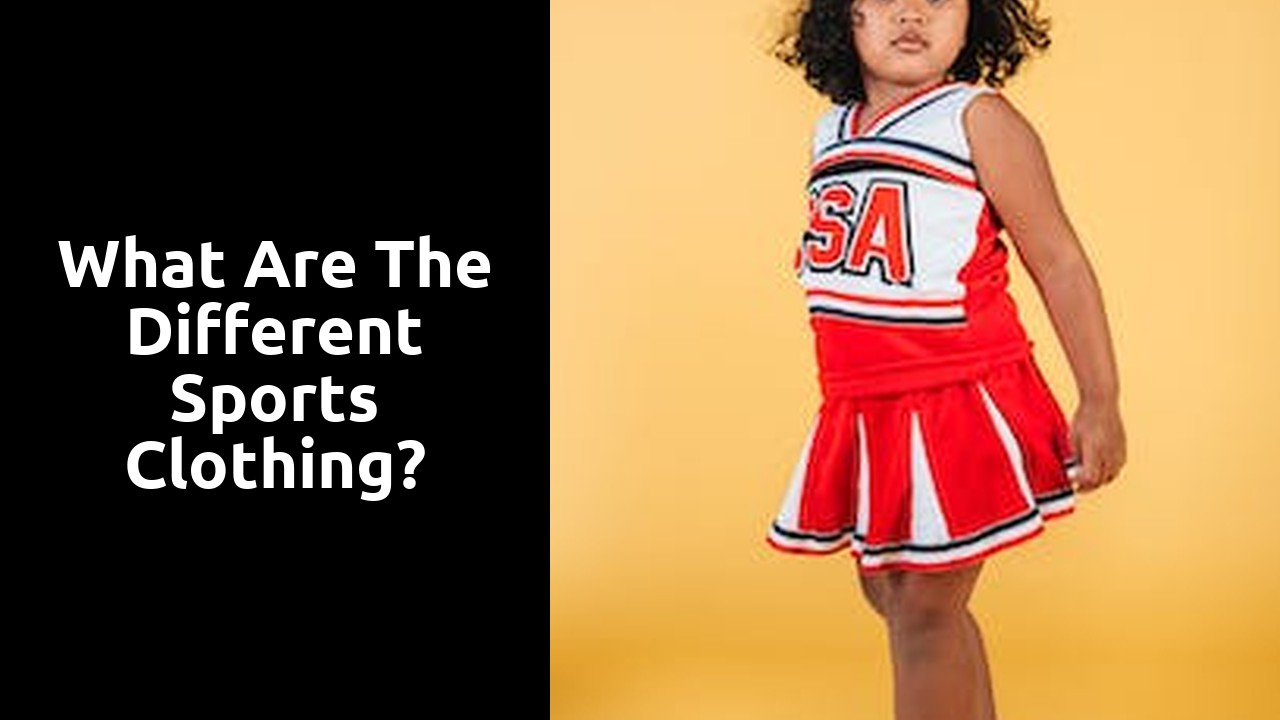
What are the different sports clothing?
The Evolution of Athletic Attire: From Ancient Times to Modern Sports
Athletic attire has come a long way since the ancient times. In ancient civilizations, sports clothing was simple and practical, designed mainly to protect the body during physical activities. In ancient Greece, for example, athletes would participate in competitions wearing only a loincloth or a simple fabric wrapped around their bodies. Similarly, in ancient Rome, athletes would often exercise and compete naked or with minimal clothing to allow for freedom of movement.
As time went by, the need for more specialized and functional sports clothing became apparent. During the Medieval period, for instance, athletes started wearing padded garments underneath their armor to provide protection and absorb impact during combat sports. These early forms of padded clothing would later evolve into the padded jerseys and shorts we see in modern sports such as rugby and American football. Additionally, advancements in textile manufacturing during the Industrial Revolution allowed for the production of more durable and versatile fabrics, leading to the creation of garments specifically designed for different sports.
Unleashing the Power of Performance Wear
When it comes to athletic performance, the right clothing can make all the difference. Performance wear, also known as sports apparel or activewear, is specifically designed to enhance an athlete's abilities and optimize their performance. It is made with advanced materials and technologies that offer benefits such as moisture-wicking, breathability, flexibility, and support.
One of the key features of performance wear is its ability to manage moisture. When engaging in physical activities, the body naturally sweats to cool down. However, excessive sweat can lead to discomfort and hinder performance. Performance wear is designed to wick away the moisture from the skin, allowing it to evaporate quickly and keeping the athlete dry and comfortable. This not only improves comfort but also helps regulate body temperature, preventing overheating or chilling. By keeping the body dry, performance wear enables athletes to focus fully on their performance without distractions.
Dressing for Victory: How Sports Clothing Affects Performance
Sports clothing plays a crucial role in determining an athlete's performance on the field. The right attire can enhance an athlete's comfort, confidence, and overall performance. One significant aspect of sports clothing is its ability to regulate body temperature. As athletes engage in rigorous physical activities, their bodies generate heat, leading to sweat production. Performance wear made from moisture-wicking materials helps to keep athletes dry by drawing sweat away from the body, allowing for better temperature regulation. By maintaining a comfortable body temperature, athletes can focus better on their game, without the distraction of overheating or discomfort caused by excessive sweating. This, in turn, enhances their physical endurance and performance.
Additionally, sports clothing is designed to provide support and protection to athletes' bodies, which are subjected to intense movements and impacts. Compression garments, for example, are known to provide muscle support and aid in reducing muscle fatigue and soreness. They improve blood circulation, enabling athletes to perform at high levels for longer durations. Similarly, padded sports shirts and shorts help cushion potential blows and absorb shocks, reducing the risk of injuries during contact sports. Furthermore, the lightweight and breathable nature of modern sports clothing allows for increased agility and freedom of movement, enabling athletes to perform with greater speed, flexibility, and precision. Overall, the design and functionality of sports clothing significantly impact an athlete's performance, making it a crucial consideration for success in competitive sports.
The Science Behind Sports Apparel: Materials and Technologies
Materials and technologies play a vital role in the science behind sports apparel. Over the years, advancements in fabric technology have led to the development of high-performance materials specifically designed for athletic purposes. These materials are engineered to provide athletes with the utmost comfort, breathability, moisture-wicking properties, and durability. From moisture-wicking fabrics that keep athletes cool and dry to compression garments that enhance blood circulation and reduce muscle fatigue, the combination of innovative materials and technologies in sports apparel has revolutionized the way athletes perform.
One such material that has gained popularity in sports apparel is polyester. Polyester fabrics are known for their moisture-wicking properties, which make them excellent choices for sportswear. These fabrics have the ability to pull sweat away from the body, allowing it to evaporate quickly, resulting in a cooler and more comfortable experience for athletes. Additionally, polyester is lightweight and durable, making it suitable for a variety of sports, ranging from running to cycling to basketball. The use of polyester in sports apparel demonstrates how carefully selected materials can enhance athletic performance and improve overall comfort during physical activity.
Fashion Meets Function: The Stylish Side of Sports Clothing
When it comes to sports clothing, functionality and performance are often the key priorities. However, in recent years, there has been a growing emphasis on style and design in athletic attire. Gone are the days when sports clothing was purely utilitarian, as today's athletes and sports enthusiasts seek garments that not only enhance their performance but also make a fashion statement.
Brands are now focusing on creating sports clothing that is not only functional but also stylish, allowing athletes to showcase their personal style even when they are on the field or court. From bold patterns and vibrant colors to sleek designs and tailored fits, sports clothing has evolved to reflect the latest trends in the fashion industry. This combination of fashion and function not only enhances the overall aesthetic appeal of sports clothing but also boosts the confidence and motivation of athletes, making them feel good both inside and out.
Embracing Diversity: Inclusive Sports Attire for All
Sports attire has come a long way in embracing diversity and inclusivity. In the past, traditional sports attire often overlooked the needs of athletes from various backgrounds and body types. However, with a growing emphasis on inclusivity and representation, the sports apparel industry has been working diligently to create clothing that caters to a wider range of individuals. Today, athletes have access to an array of options that cater to different body sizes, shapes, and specific requirements. This shift towards inclusive sports attire ensures that athletes can achieve their full potential, regardless of their background or physical attributes.
One important aspect of inclusive sports attire is the availability of a wide range of sizes. Not everyone fits into the standard size charts that were predominant in the past. Recognizing this, sports clothing brands now offer extended sizes to accommodate athletes of all body types, from petite to plus-size. This inclusivity allows athletes to feel comfortable and confident in their clothing, knowing that they are not limited by their size. Additionally, some brands have adopted "size-inclusive" approaches, which means that the same design is available in a broader size range, ensuring that athletes of all sizes can enjoy the same styles and performance benefits. Embracing diversity in sports attire is not just about catering to different body sizes, but also ensuring that every athlete feels represented and empowered.
FAQS
What are the different types of sports clothing available?
There are various types of sports clothing available, including jerseys, shorts, pants, socks, leggings, sports bras, jackets, sweatshirts, tracksuits, and athletic footwear.
How has athletic attire evolved over time?
Athletic attire has come a long way from simple, loose-fitting garments to technologically advanced performance wear. From ancient times to modern sports, the materials, designs, and technologies used in sports clothing have significantly improved.
Does sports clothing affect performance?
Yes, sports clothing can significantly impact performance. Properly designed sports clothing can enhance mobility, regulate body temperature, provide support, wick away moisture, reduce friction, and improve overall comfort, leading to better performance.
What materials are commonly used in sports apparel?
Sports apparel is often made from materials like polyester, nylon, spandex, cotton, and various synthetic blends. These materials offer breathability, moisture-wicking properties, flexibility, durability, and comfort.
Are there any technologies used in sports clothing?
Yes, there are several technologies incorporated into sports clothing. Examples include moisture-wicking fabrics, compression technology, UV protection, odor control, thermoregulation, and seamless construction, among others.
Can sports clothing be fashionable as well as functional?
Absolutely! Sports clothing has evolved to be both fashionable and functional. Many brands now offer stylish designs, vibrant colors, and trendy patterns while still prioritizing performance-enhancing features.
Is there inclusive sports attire available for all body types and genders?
Yes, sports attire is becoming more inclusive. Many brands now offer a wide range of sizes and styles to accommodate different body types and genders, promoting diversity and inclusivity in sports clothing.
How do I choose the right sports clothing for my sport?
When selecting sports clothing, consider the specific requirements of your sport. Look for garments that provide the necessary support, flexibility, and comfort. Also, choose materials and technologies that suit the climate and intensity of your physical activity for optimal performance.
Related Links
What is sporting apparel?What is clothes for sports?